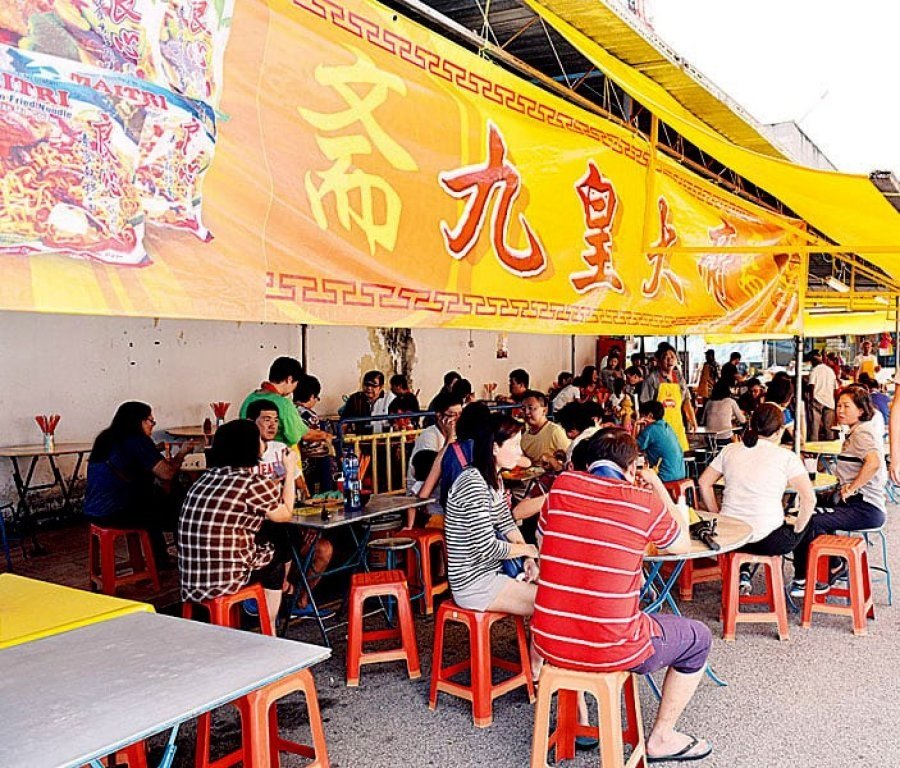

“叔叔,这些黄色旗子是做什么的?这些都是素食吗?”
对于这个节庆,我心中有不少疑问,尽管眼前的美食显然更吸引我的注意。
为自己辩护一下,这里可是槟城。我们完全有本事一边讨论文化、历史与宗教,一边留意谁正在油锅前炸著什么。我们甚至可以用三间咖啡店和一档面摊作为地标,为人指引前往宗教场所的路线。
我向叔叔提出的问题其实很简单,但我希望,在马来西亚这样的社会里,我们能有更多机会提出这些问题。
这是什么意思?为什么要这样做?你可以跟我说说吗?
能够开口询问,其实是一件很美好的事。你坦承自己不了解,对方也因此有机会向你解释,而彼此之间的距离,就在这样的交流中悄悄缩短。
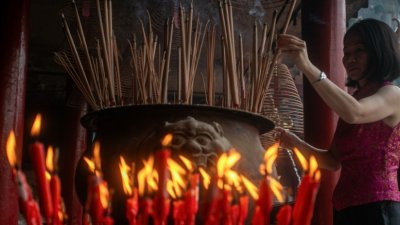
黄色旗帜,是九皇爷诞期间常见的标志之一。这个节庆在农历九月初一至初九举行,尤其扎根于道教传统。信众通过茹素及其他修持,以示净化身心;黄色旗帜与白色服饰,也各自承载著宗教意义。
了解这些背景后,眼前的景象便有了更深一层的意义。你开始明白,原本吸引你目光的事物背后,蕴藏著怎样的虔诚与信仰。
当然,美食也值得我们好好关注。能够把一朵蘑菇做出多种不同风味,仿佛让它拥有好几种截然不同的厨艺人生,我实在佩服。
然而,在这些创意十足的素食料理背后,更是一场发自内心的信仰实践。今年的九皇爷诞于10月10日至18日举行,信众祈求健康长寿,并祈愿远离灾祸、平安顺遂。
这些祈愿,让我久久难以忘怀。
我们或许有不同的祈祷方式,但我们都懂得牵挂所爱之人的心情。我们都希望父母能够健康长寿,希望孩子平安成长,也希望家人能够平安度过人生中的艰难时刻。
我的信仰属于我自己,但它也让我更懂得欣赏,为什么别人的信仰对他们而言如此重要。
在马来西亚成长,我们拥有无数这样的学习机会。有人正在斋戒,有人忙著准备祈祷,也有邻居正在筹备一场与我们习俗不同的庆典。
不过,我们不能想当然地认为,只要生活在彼此附近,就必然能够理解对方。我们可能清楚知道是谁的汽车挡住了大门,却对每年如期举行的某个节庆感到一头雾水。
其实,多一点好奇心,就能有所不同。
孩子往往最懂得这一点。他们提出问题时直接坦率,不会先召集一个委员会,讨论这个问题是否敏感。成年人其实也可以向孩子学习。
当然,关于传统习俗的答案,最好还是由真正了解并实践这项传统的人来告诉我们。与叔叔面对面交流,远比转发一则充满愤怒的信息来得好——尤其是转发信息的人,可能从来没有真正问过那位叔叔。
这种愿意倾听的日常态度,其实不应只存在于节庆期间。
非穆斯林宗教场所拨款
庆典结束后,那些默默维持宗教场所运作的人们,又得回到鲜少受到关注的日常工作中。他们必须缴付维修费用、安排修缮工程、填写申请表格,还得在工作与家庭生活之外,抽出时间处理这些事务。
这也正是《2027年昌明财政预算案》值得关注的地方。
我知道,在谈完素食之后,突然把话题转向国家财政预算,听起来跨度不小。请容我继续说下去。
这份预算案将注册非穆斯林宗教场所的维修拨款提高至8000万令吉。我欢迎这项承诺,因为它回应了其他马来西亚同胞在日常生活中面对的一项实际需求。
一座宗教场所,承载的可能是一个家庭的历史。世世代代的人们回到那里,带著感恩、悲伤,以及那些难以用言语表达的期盼。
确保这些建筑安全,对依赖这些场所的人们而言,意义重大。
我们应该以开放和包容的心态,支持这样的需求。
拨款增加令人鼓舞,尤其是对那些依靠志工和社区捐款维持运作的小型宗教场所管理委员会而言。
只要政府提供清楚的申请指南,并在申请过程中给予实际协助,就能让更多宗教场所善用这项援助,确保建筑安全、环境友善,让前来祈祷和参与活动的家庭,都能安心聚集。
一名志工不应该为了争取一项必要的维修工程获得考虑,就必须先把自己变成精通政府文书程序的专家。
当援助真正到位时,预算案上的数字便有了人情温度。
有人终于不必再为无力承担的维修费用忧心;一个管理委员会可以重新把精力放回服务社群;一名年长的信众,也能够安心地回到更加安全的宗教场所。
从国家政策的宏大论述来看,这些或许只是一些微不足道的小事,但对那些一直等待援助的人而言,其意义却非同小可。
我最初只是好奇那些黄色旗帜和素食料理。如今,真正留在我心中的,是当我们愿意倾听时,一场简单的对话竟能让我们认识多少原本陌生的事物。
我希望我们的孩子长大后,依然能够自在地提出这些问题。我也希望,社区里永远都有愿意耐心解答的叔叔和阿姨,而我们也愿意放慢脚步,认真听完他们的回答。
多年以后,当黄色旗帜再次飘扬时,我希望孩子们感受到的是一种亲切而熟悉的温暖:原来,邻里之间有人正在实践一项珍贵的信仰传统。他们对这项传统为何重要,有了一些认识;他们也认识那些一直努力守护这份传统的人。
而他们会由衷地感到高兴,因为这些人,也是他们所珍视的家园的一分子。
瑟丽娜《一点好奇心,一盘素食》原文:A Little Curiosity, a Plate of Vegetarian Food
“Uncle, what are the yellow flags for? And are these all vegetarian dishes?”
I had questions about the festival, although clearly the food was competing for my attention.
In my defence, this was Penang. We are perfectly capable of discussing culture, history and religion while keeping an eye on what someone is frying. We can also give directions to a place of worship using three coffee shops and a noodle stall as landmarks.
My question to Uncle was simple enough. But it is the sort of question I wish we made more room for in Malaysia.
What does that mean? Why do you do this? Can you tell me about it?
There is something lovely about being able to ask. You admit you do not know, someone has a chance to explain, and a little of the distance between you disappears.
The yellow flags are among the familiar signs of the Nine Emperor Gods Festival. Observed during the first nine days of the ninth lunar month, the festival is rooted particularly in Taoist tradition. Devotees observe vegetarian practices and disciplines associated with purification. Yellow banners and white clothing carry religious significance.
Learning that gives the scene around you greater meaning. You begin to understand the devotion behind what initially caught your eye.
And yes, the food deserves some attention too. Anyone who can persuade a mushroom to pursue several different culinary careers has my respect.
But beyond the ingenuity of the vegetarian dishes is a deeply personal observance. During this year’s festival, held from October 10 to 18, devotees prayed for health, longevity and protection from disasters.
Those hopes stay with me.
We may pray differently, but we know what it means to worry about someone we love. We understand the wish for a parent to have more healthy years, for a child to be safe, for a family to get through a difficult season.
My faith is my own. It also helps me appreciate why another person’s faith matters so much to them.
Growing up in Malaysia gives us countless opportunities to learn this. Someone is fasting. Someone is preparing for prayers. A neighbour is getting ready for a celebration whose customs are different from ours.
We cannot assume that living close together automatically means we understand one another, though. We can know exactly whose car is blocking the gate while remaining completely bewildered by a festival that happens every year.
A little curiosity would help.
Children are usually rather good at it. They ask direct questions without first assembling a committee to determine whether the question is sensitive. We adults could learn something from them.
Of course, the answers should come from the people who know and practise the tradition. A conversation with Uncle is a much better starting point than an indignant message forwarded by someone who has also never asked Uncle.
That everyday willingness to listen matters beyond the festival season.
Once the celebrations end, the people who keep these places of worship going return to the work that attracts far less attention. There are maintenance bills, repairs to arrange and forms to complete. Volunteers have to find time for all this alongside their own jobs and families.
This is where Belanjawan MADANI 2027 enters the conversation.
I realise a national budget is an ambitious subject to introduce after vegetarian food. Bear with me.
The budget increases the allocation for maintaining registered non-Muslim places of worship to RM80 million. I welcome that commitment because it recognises a practical need in the lives of fellow Malaysians.
A place of worship can hold a family’s history. Generations return there carrying gratitude, grief and hopes they may find difficult to put into words. Keeping the building safe matters to the people who depend on it.
We should be able to support that with an open heart.
The increased allocation is encouraging, especially for smaller committees that rely on volunteers and community donations. With clear guidance and practical support through the application process, more of them can put this assistance to good use, keeping places of worship safe and welcoming for the families who gather there.
A volunteer should not need to become an expert in government paperwork just to get a necessary repair considered.
When that help arrives, a budget figure acquires a human meaning. Someone can stop worrying about a repair they could not afford. A committee can turn its attention back to the people it serves. An older worshipper can return to a safer building.
These are modest things in the grand language of national policy. They matter enormously to the person waiting for them.
I began with a question about yellow flags and vegetarian dishes. What stays with me is how much a simple conversation can open up when we are willing to listen.
I hope our children grow up feeling free to ask those questions. I hope there will always be an Uncle or Auntie happy to explain, and that we give them enough time to hear the answer.
Years from now, when the yellow flags appear again, I want them to feel that gentle familiarity: someone in their neighbourhood is observing something precious. They know a little about why it matters. They know the people keeping it alive.
And they are glad those people are part of the place they call home.
本文观点,不代表《东方日报》立场。
要看最快最熱資訊,請來Follow我們 《東方日報》WhatsApp Channel.