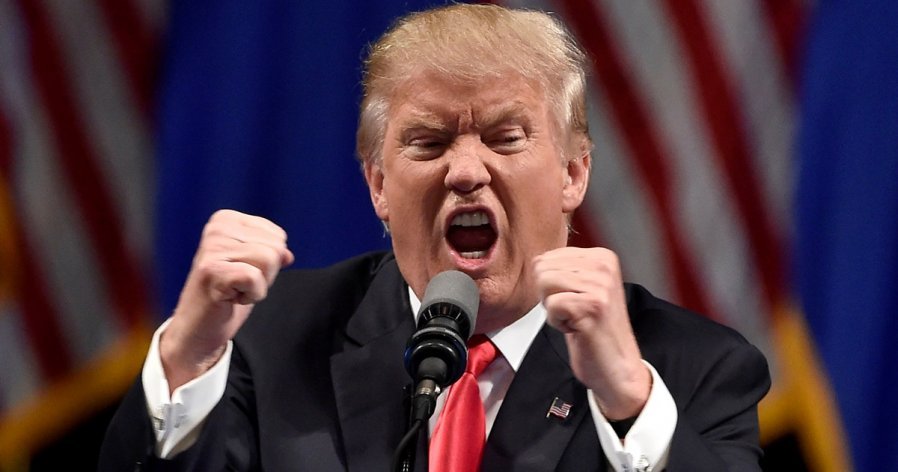
“完全而彻底的胜利。100%。毫无疑问。”
美国总统特朗普在宣布停火后向法新社如此表示。
4月11日,特朗普总统更宣称,即使最终未能达成协议,“也无关紧要”,并表示:“无论发生什么,我们都赢了。”
这种胜利的宣称,不仅显得空洞,更暴露出特朗普对于与一个遭受重创、但依然坚定、不屈不挠的伊朗达成协议的迫切渴望。伊朗方面坚持,任何和解都必须满足其全部或大部分要求。
尽管和平协议未能实现,且战争重新爆发的可能性依然存在,但各种迹象显示,特朗普仍将继续寻找一条退路,以便能从他亲手将美国拖入的泥淖中,宣称取得某种形式的胜利。
就目前而言,这场与伊朗的战争已对美国造成严重的负面后果,在经济、政治与战略层面都付出了沉重代价。
一、直接财政成本
这场战争的直接财政成本极为惊人。
即时支出:五角大楼估计,仅战争最初六天,就至少花费了113亿美元。这一初期阶段的开支,平均每天约10亿美元。
总成本估算:包括装备损失与维修在内,战争前五周的总成本估计介于223亿至310亿美元之间。五角大楼已正式向国会申请额外2000亿美元的军费,用于持续作战。
机会成本:民主党人指出,仅前六天耗费的113亿美元,原本可以为国家癌症研究所提供一年半的经费(74亿美元),可几乎支撑 Head Start(幼儿教育计划)一整年(124亿美元),培训10万名新护士或为180万名儿童提供一整年的学校午餐。
二、经济冲击
这场战争对经济的影响广泛,推高了美国消费成本,并加剧全球不稳定。
油价剧烈冲击:布兰特原油价格暴涨50%,从每桶80美元以下飙升至119美元以上。
通胀急剧上升:消费者物价指数在3月升至3.3%,较前一个月的2.4%明显上升,创下自2022年6月以来最大单月涨幅。
家庭经济压力:若油价升至每桶110美元 并维持这水平,每个美国家庭每年将额外承担约1960美元的支出。同时,消费者信心在短短一个月内下跌11%。
关键产业压力:战争导致天然气与化肥供应紧张,价格显著上升,直接威胁美国农业生产,并推高食品价格。
联邦财政压力:战争主要透过举债融资,进一步加剧联邦财政赤字。战争爆发时,美国财政赤字已达国内生产总值的6%,几乎是2003年(3.3%)的两倍。
更广泛经济危机:美联储如今面临艰难抉择,要么提高利率以对抗通胀,要么承担失业率上升的风险。
三、国内政治冲击
这场战争在美国本土极不受欢迎,成为特朗普政府的重大政治负担。
压倒性民意反对:民调显示,54%的美国人反对战争,仅36%表示支持。
中期选举风险:战争将成为中期选举中的重大负资产,预测显示,共和党可能失去对国会两院的控制权。
党内与精英分裂:战争加深了共和党内部裂痕。美国反恐中心主任肯特已辞职抗议,并公开表示,“伊朗并未构成立即威胁。”,这场战争是在以色列压力下发动的。”
信任与监督流失:政府未充分谘询国会,也未提出清晰战略,严重侵蚀公众信任与制度监督。这场战争被广泛视为一场:“基于错误理由发动的选择性战争”
四、地缘政治与战略挫败
这场战争已严重损害美国的全球地位、战略利益及盟友关系。
全球力量转移:这场战争对美国竞争对手而言,几乎是一份战略礼物。俄罗斯因能源价格上涨而受益,而北约因内部分歧被削弱。中国则因美国分散对印太地区的注意力而获得战略空间,同时中国的国际形象亦有所提升。
全球地位削弱:美国被普遍视为一个明确的侵略者,其道德权威受到严重侵蚀。任何形式的停火,都将以美国作为全球领导者的可信度为代价。若战争持续,其全球地位将进一步受损。
盟友关系紧张:尤其是欧洲主要盟友,对战争态度冷淡。欧洲领导人拒绝参战,亦未派遣海军前往保护霍尔木兹海峡,这被视为一个明确的反对讯号。
中东局势动荡:战争使中东更加不稳定。过去作为美国代理人的海湾阿拉伯国家,如今开始将美国视为一个不可靠的保护者。
人道与道德权威成本
这场战争带来了沉重的人道代价,对平民造成毁灭性影响。早前一次的攻击行动造成了160名伊朗女学生死亡案例,震惊全球,成为美国道德权威上的长期污点。而在停火谈判期间,以色列在黎巴嫩发动的最新军事打击,造成300多人死亡,更向世界展示出美国在中东最重要盟友,对美国本身缺乏尊重与节制。
结果与长期后果
空洞的胜利:尽管造成了巨大破坏,美国与以色列仍未能实现其核心目标——政权更替。伊朗政权不仅依然存在,反而可能变得更加强硬、更具决心,并因掌控霍尔木兹海峡而获得更大的战略筹码。
新的战略现实:特朗普这场构想不周且灾难性的战争,已从根本上改变全球战略格局。美国攻击巩固了伊朗的道德与地缘政治地位,更赋予其新的能力,在西方挑战其在中东地位时,能动摇全球经济能力。这也严重削弱了美国作为全球稳定保障者的可信度,为美国在全球地缘政治中,打开一系列可能改变格局的负面后果。
林德宜〈特朗普在伊朗的“胜利”——美国的灾难〉原文:Trump’s ‘Victory’ In Iran - An American Disaster
“Total and complete victory. 100%. No question about it,"
President Donald Trump tells AFP following the ceasefire announcement
On April 11, President Donald Trump declared that "it doesn't matter" if a final deal is reached, claiming, "We win regardless of what happens".
The claim of victory rings not only hollow. It betrays how desperate Trump is for a deal with a battered but resolute and unyielding Iran side that is insistent on a settlement that meets all or most of its demands.
Despite the failure of a peace agreement to emerge and the strong possibility of the renewal of war, indications are that Trump will continue looking for a way out that will enable him to claim victory from the quagmire that he has cast the United States into.
For now, the war with Iran has seen severe negative consequences for the United States, imposing a heavy toll across economic, political, and strategic fronts.
Direct Financial Cost
The direct financial cost has been staggering.
· Immediate Expenditure: The Pentagon estimated that the first six days alone cost at least US$11.3 billion. This initial phase would burn through approximately $1 billion per day.
· Total Estimated Cost: Total war costs, including equipment losses and repair, are estimated between $22.3 billion and $31 billion within the first five weeks. The Pentagon formally requested an additional $200 billion from Congress for continued operations.
· Opportunity Cost: Democrats have pointed out that the $11.3 billion spent in the first six days alone could have funded the National Cancer Institute for a year and a half ($7.4B), almost covered Head Start for a year ($12.4B), trained 100,000 new nurses, or provided school lunches for 1.8 million children for a year.
Economic Fallout
The economic impact has been widespread, driving up costs for American consumers and creating global instability.
· Massive Oil Price Shock: Oil prices have surged dramatically, with Brent crude jumping 50% from below $80 to above $119 per barrel.
· Soaring Inflation: The consumer price index had jumped to 3.3% in March, a sharp increase from 2.4% the previous month and the largest monthly increase since June 2022.
· Economic Pain for American Households: If oil prices soar to $110 per barrel and remain at that level, it will cost each American household about $1,960 annually. Meanwhile, consumer sentiment has fallen 11% in a single month.
· Strain on Key Industries: The war is also causing shortages of natural gas and fertilizer, with fertilizer and natural gas prices surging significantly. This is directly threatening US agricultural production and driving up food prices.
· Strained Federal Finances: The war is being funded through debt, further straining the federal deficit, which already stood at 6% of GDP at the time of the war's onset, nearly double the 3.3% deficit in 2003.
· Broader Economic Risks: The Federal Reserve is now facing the difficult choice of raising interest rates to combat inflation at the risk of increasing unemployment.
Domestic Political Fallout
The war has been deeply unpopular for Trump, creating a major political liability for the administration.
· Overwhelming Public Opposition: A significant majority of Americans oppose the war, with polls showing 54% opposing and only 36% approving.
· Midterm Election Risk: The war would be a major political liability in the midterm elections, with forecasts suggesting Republicans could lose control of both chambers of Congress.
· Intense Partisan and Elite Rifts: The war has deepened fissures within the Republican party. High-profile figures like Joe Kent, Director of the National Counterterrorism Center, have resigned in protest, stating "Iran posed no imminent threat" and that the war was started due to pressure from Israel.
· Erosion of Trust and Oversight: The administration's failure to consult Congress or articulate a clear strategy has eroded trust and oversight. The war is being widely perceived as a "war of choice" waged on false pretenses.
Geopolitical & Strategic Setbacks
The war has severely damaged US global standing, strategic interests, and relationships with key allies.
· Shift in Global Power: The war has been a strategic gift to US rivals. Russia has benefited from higher energy prices and a weakened NATO. China has benefited from a reduced US focus on the Indo-Pacific and now has an enhanced international image.
· Weakened Global Standing: The US is universally perceived as an outright aggressor, severely eroding its moral authority. Any form of a truce would come at the expense of the US's credibility as the world's leading power. A prolonged war would further damage US global standing even more severely.
· Strained Alliances: Key allies, especially in Europe, have been alienated. European leaders have refused to participate in the war or send their navies to secure the Strait of Hormuz, sending a strong signal of disapproval.
· Destabilized Middle East: The war has destabilised the Middle East. Gulf Arab states previously acting as American proxies with their bases are now perceiving the US as an unreliable protector.
Humanitarian & Moral Authority Costs
The war has come at a terrible human cost with devastating consequences for civilians. The early horrific strike that killed 160 schoolgirls in Iran shocked the world and is a lasting stain on US moral authority. The latest military strike by Israel in Lebanon in the midst of the truce negotiations and killing over 300 is demonstrating to the world the disregard and disrespect that America’s greatest ally has for the US in the Middle East.
Outcome & Long-Term Consequences
A Hollow Victory: Despite inflicting massive damage, the US, together with Israel, have failed to achieve their core objective of regime change. The Iranian regime has not only remained intact. It is possibly more hardline and determined, and has gained significant leverage by controlling the Strait of Hormuz.
New Strategic Reality: Trump’s ill-conceived and disastrous war has fundamentally altered the global strategic landscape. It has solidified Iran’s moral and geopolitical standing in the world and provided it with a new found power to destabilize the global economy should the West attempt to challenge it in the Middle East. It has also severely eroded US credibility as a guarantor of global stability, and opened the way to game changing negative consequences for America in global geopolitics.
本文观点,不代表《东方日报》立场
要看最快最熱資訊,請來Follow我們 《東方日報》WhatsApp Channel.